
Created by - Andrea Jermin
Marketing Functions and Purpose Explained
The Seven Functions of MarketingWhen applying marketing, there are seven functions that pop up in at least one type of marketing tactic. They are as follows:FinancingInformation ManagementPricingProduct and Service ManagementPromotionSellingDistributionLet’s take a closer look at these in a bit more detail.Information Management: Marketing information management is the collection of data and analyzing it to be able to determine what your consumers want. Before you begin collecting data, make sure you know who your consumers are. Ask yourself, “What are my customers going to want?” and then set out to collect and analyze your data to find those answers. You are going to want information pertaining to trends, buying habits, and attitudes of consumers in your specific demographic. Do not forget to use the internet and social media sites to monitor what customers are talking about, clicking on, and searching for. This will say a lot about what they want to see. Get out there and get your information!Example: Providing surveys either through mail or online to determine customer satisfaction. If a burger franchise from the United States is thinking of opening a store in China, they will collect data and analyze habits of Chinese consumers to try to cater their food to meet the needs overseas.Distribution: Distribution in marketing is where you make your products available. The first step here is getting your products to the places you want them to be. If you want to sell online, then you will conduct businesses via Internet. If you are looking to sell overseas, you will have to adjust your business marketing model to deal with distributors. Again, you are going to have to do research to determine the best places to make your products available, and how your customers are going to want to make a purchase.Example: A company that sells shoes will want to get their products to malls and online. They will target stores such as JCPenney’s, Macy’s, Amazon, and possibly work to create their own website that customers can directly buy from.Product and Service Management: This can be fun. Product and service management in marketing deals with updating, changing, and catering your product to what the consumer wants. You can do this by changing how your product looks, creating different styles or colors, or completely changing out a part of the product’s function. Any of these will be useful as long as they cater more to the customer’s needs and wants.Example: If you have noticed, the shape, coloring, and font style of Pepsi bottles have changed over time to comply with customer needs and wants.Pricing: The pricing of a product often times directly determines whether or not a customer is going to buy it. If you want something, but cannot afford it—you are out of luck. In marketing, you have to be able to price your products so that you will make a profit. All of these factors depend a lot on your competition. If there are a lot of other brands, companies, or sellers offering the same product as you, you need to aim to offer customers the lowest price possible while still generating a good enough profit. There are different ways you can go about this. For instance, you can offer certain benefits or perks that other sellers do not. Be creative and think of ways to set yourself apart.Example: During NBA Basketball season, ticket prices can go through the roof because of the supply and demand. There are a limited number of tickets and seats, but people love being entertained by basketball, and there will always be hardcore fans ready to pay.Promotion: If you walk into a mall, open your mail, or click into an online store, chances are you are going to be hit with some promotional signs or offers. This is promotion marketing at work. Promotional marketing does what it says it does: it uses promotions to bring awareness of your product or brand to consumers through various marketing techniques. These can be anything from internet advertising to telemarketing—whatever you believe will be the most effective in reaching out to your consumer demographic.Example: Free limited edition teddy bears are given out to the first 100 customers who buy a company’s new watch.Selling:Because of the increase in internet sales, selling has changed over the past few years. Selling used to be simply direct communication between a customer and a seller, but now things can be done virtually online. Either way, marketing works to help companies, retailers, or sellers sell their products.Example: A salesperson at a mall helps a man choose a suit for a wedding. They assist him with choosing the right colors, fit, and style. This helps and encourages him to make a purchase.Financing: There are two parts of finance marketing. The first has to deal with financing the marketing department. With marketing, a successful marketing plan will be able to create consistent revenue for a company. Therefore, marketing will ultimately pay for itself. The second part of finance marketing deals with providing customers alternative and easier ways to obtain their goods. This can be done through offering loyal customers loans, leasing options, or credit terms. This helps to develop trust between and good business relationships.Example: A woman wants to buy a computer for her college-bound son. However, she cannot afford to pay the entire sum at once. A company offers her a loan that she is required to pay back within the next 2 years.Let’s Get Marketing!By understanding and applying these seven functions of marketing, you will see the importance of marketing as a whole. Not only does the marketing team within a company or business need to understand marketing, but so does everyone involved in a brand, product, or service – as they are all essential to its success. There are some wonderful online courses that will help you develop your own marketing strategies pertaining to your own business models, so check academy for help on supplementing your marketing needs.
More DetailsPublished - Thu, 27 Oct 2022
Created by - Oliver Peg
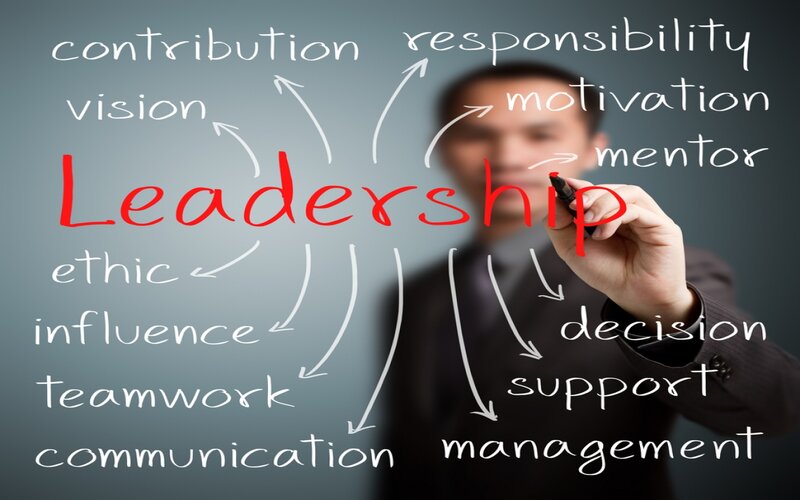
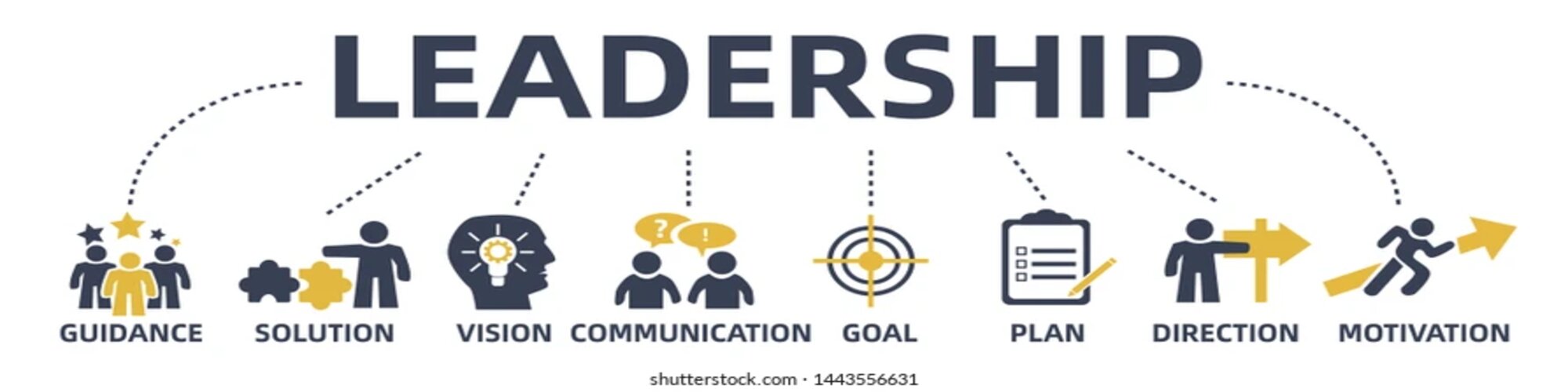
5 Ways Leadership Development Impacts Business
The types of skills required to be an effective leader have changed tremendously over the last decade. There has been a drastic shift in the ways managers and their employees interact. Leadership tactics of the past are no longer practical, and bad managers cost organizations billions of dollars each year. In this challenging and uncertain labor market, developing the skills and effectiveness of existing leaders takes on new urgency. Today’s skilled people managers need to approach leadership with new skills, such as empathy, engagement, and a desire to make their teams feel valued. Organizations who take the time to develop these skills in their leaders can transform how employees feel about their roles and the company, ultimately creating better business results. This blog post will explore five ways that skilled, developed leaders positively impact critical business outcomes.1. Good leaders lead to better employee engagement and productivityLow employee engagement is a serious issue — Gallup estimates it costs the global economy $7.8 trillion. Organizations that invest in good leadership development programs produce managers that can tap into their employees’ sense of purpose and motivation, as well as identify opportunities to help employees grow and develop new skills. Managers can learn specific skills, such as goal setting, coaching, and effective feedback, to help their teams prioritize and focus while removing barriers and reducing distractions. When organizations develop these skills in their leaders, they can move the needle on the number of engaged employees and achieve an estimated 23% higher profitability. 2. Skilled leaders improve employee retentionDisengaged workers are more likely to leave their companies, with managers accounting for at least 70% of the variance in employee engagement scores across business units. This shows that engagement doesn’t necessarily depend on employees themselves, but relies greatly on the experience created by their managers and organizations. According to research by Gallup, teams scoring in the top quartile on employee engagement saw 18% lower turnover for high-turnover organizations and 43% lower turnover for low-turnover organizations. Organizations that develop skilled managers who support their teams are able to retain their most valuable employees.3. Strong leaders support change agility and business continuityThe past few years have shown us just how unpredictable the world can be. One of the most powerful skills organizations can develop in their leaders is change management. Developing change agility (both for leaders themselves and their organizations at large) involves a process of honing self-awareness and decision-making in ambiguous situations. This tactic is one way strong leaders can handle disruption and ensure business continuity. While there will always be change in the workplace, skilled leaders can help employees feel more confident in facing any change that comes their way. 4. Good leaders drive innovationInnovation is critical for long-term growth in any organization. It’s also lucrative — McKinsey found that innovative organizations deliver 2.4 times higher profits. It’s important for companies to develop leaders who empower employee decision-making and creativity, limit bureaucracy, and encourage diverse opinions. Sue Todd, Director, Cohort Content Strategy for the Udemy Cohort Leadership Development Solutions says, “Innovation starts with company leadership and a strong aspiration to be more innovative. The leadership team has to be passionately behind innovation strategies. Not just the skills, but the mindset that we will seek novel approaches to create value for customers.”5. Great leaders develop the next generation of great leadersTaking on a new leadership role is challenging, and strong, established leaders can play a meaningful role in nurturing new leaders. The increased pressure and responsibility of leadership means more than 50% of new managers fail within the first 18 months. Strong leaders are aware of this and provide the resources to help new leaders prepare for the demands of their new roles. Research shows that when companies are good at talent planning initiatives (e.g., identifying critical positions and can’t-lose players and engaging senior managers in the talent planning process), they enjoy annual revenue growth of 10% or more than their peers. Develop your leaders to take on tomorrow’s challengesThere’s a direct connection between an organization’s leadership and its business performance, and companies that make it a priority to invest in their leaders achieve significant benefits. Download the ebook, Leadership Development as a Strategic Advantage, to discover how investing in leadership capabilities can help a company meet any challenges that come its way.Empower your team. Lead the industry.
More DetailsPublished - Thu, 27 Oct 2022
Search
Popular Categories
Marketing
2Development
2Data Science
1Latest Blogs

ChatGPT - Future is Here !
Fri, 21 Jul 2023

Navigating the COVID-19 Pandemic: Challenges, Lessons, and Hope
Tue, 18 Jul 2023
5 Ways Leadership Development Impacts Business
Thu, 27 Oct 2022
Write a public review