Published - Thu, 27 Oct 2022
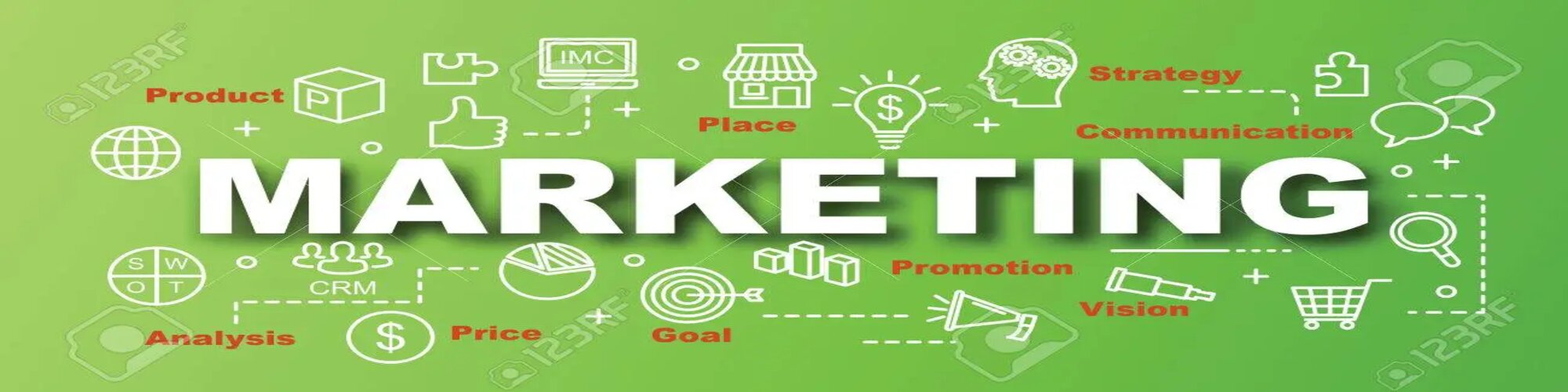
Marketing Functions and Purpose Explained
The Seven Functions of Marketing
When applying marketing, there are seven functions that pop up in at least one type of marketing tactic. They are as follows:
- Financing
- Information Management
- Pricing
- Product and Service Management
- Promotion
- Selling
- Distribution
Let’s take a closer look at these in a bit more detail.
Information Management: Marketing information management is the collection of data and analyzing it to be able to determine what your consumers want. Before you begin collecting data, make sure you know who your consumers are. Ask yourself, “What are my customers going to want?” and then set out to collect and analyze your data to find those answers. You are going to want information pertaining to trends, buying habits, and attitudes of consumers in your specific demographic. Do not forget to use the internet and social media sites to monitor what customers are talking about, clicking on, and searching for. This will say a lot about what they want to see. Get out there and get your information!
Example: Providing surveys either through mail or online to determine customer satisfaction. If a burger franchise from the United States is thinking of opening a store in China, they will collect data and analyze habits of Chinese consumers to try to cater their food to meet the needs overseas.
- Distribution:
Distribution in marketing is where you make your products available. The first step here is getting your products to the places you want them to be. If you want to sell online, then you will conduct businesses via Internet. If you are looking to sell overseas, you will have to adjust your business marketing model to deal with distributors. Again, you are going to have to do research to determine the best places to make your products available, and how your customers are going to want to make a purchase.
Example: A company that sells shoes will want to get their products to malls and online. They will target stores such as JCPenney’s, Macy’s, Amazon, and possibly work to create their own website that customers can directly buy from.
- Product and Service Management:
This can be fun. Product and service management in marketing deals with updating, changing, and catering your product to what the consumer wants. You can do this by changing how your product looks, creating different styles or colors, or completely changing out a part of the product’s function. Any of these will be useful as long as they cater more to the customer’s needs and wants.
Example: If you have noticed, the shape, coloring, and font style of Pepsi bottles have changed over time to comply with customer needs and wants.
- Pricing:
The pricing of a product often times directly determines whether or not a customer is going to buy it. If you want something, but cannot afford it—you are out of luck. In marketing, you have to be able to price your products so that you will make a profit. All of these factors depend a lot on your competition. If there are a lot of other brands, companies, or sellers offering the same product as you, you need to aim to offer customers the lowest price possible while still generating a good enough profit. There are different ways you can go about this. For instance, you can offer certain benefits or perks that other sellers do not. Be creative and think of ways to set yourself apart.
Example: During NBA Basketball season, ticket prices can go through the roof because of the supply and demand. There are a limited number of tickets and seats, but people love being entertained by basketball, and there will always be hardcore fans ready to pay.
- Promotion:
If you walk into a mall, open your mail, or click into an online store, chances are you are going to be hit with some promotional signs or offers. This is promotion marketing at work. Promotional marketing does what it says it does: it uses promotions to bring awareness of your product or brand to consumers through various marketing techniques. These can be anything from internet advertising to telemarketing—whatever you believe will be the most effective in reaching out to your consumer demographic.
Example: Free limited edition teddy bears are given out to the first 100 customers who buy a company’s new watch.
- Selling:
Because of the increase in internet sales, selling has changed over the past few years. Selling used to be simply direct communication between a customer and a seller, but now things can be done virtually online. Either way, marketing works to help companies, retailers, or sellers sell their products.
Example: A salesperson at a mall helps a man choose a suit for a wedding. They assist him with choosing the right colors, fit, and style. This helps and encourages him to make a purchase.
- Financing:
There are two parts of finance marketing. The first has to deal with financing the marketing department. With marketing, a successful marketing plan will be able to create consistent revenue for a company. Therefore, marketing will ultimately pay for itself. The second part of finance marketing deals with providing customers alternative and easier ways to obtain their goods. This can be done through offering loyal customers loans, leasing options, or credit terms. This helps to develop trust between and good business relationships.
Example: A woman wants to buy a computer for her college-bound son. However, she cannot afford to pay the entire sum at once. A company offers her a loan that she is required to pay back within the next 2 years.
Let’s Get Marketing!
By understanding and applying these seven functions of marketing, you will see the importance of marketing as a whole. Not only does the marketing team within a company or business need to understand marketing, but so does everyone involved in a brand, product, or service – as they are all essential to its success. There are some wonderful online courses that will help you develop your own marketing strategies pertaining to your own business models, so check academy for help on supplementing your marketing needs.
Created by

Andrea Jermin
Andrea is the instructor of some of the highest rated programming and technical courses online.
She is now the founder of ZTM Academy which is one of the fastest growing education platforms in the world. ZTM Academy is known for having some of the best instructors and success rates for students. Her graduates have moved on to work for some of the biggest tech companies around the world like Apple, Google, Tesla, Amazon, JP Morgan, IBM, UNIQLO etc... She has been working as a senior software developer in Silicon Valley and Toronto for many years, and is now taking all that she has learned, to teach programming skills and to help you discover the amazing career opportunities that being a developer allows in life.
Having been a self taught programmer, she understands that there is an overwhelming number of online courses, tutorials and books that are overly verbose and inadequate at teaching proper skills. Most people feel paralyzed and don't know where to start when learning a complex subject matter, or even worse, most people don't have $20,000 to spend on a coding bootcamp. Programming skills should be affordable and open to all. An education material should teach real life skills that are current and they should not waste a student's valuable time. Having learned important lessons from working for Fortune 500 companies, tech startups, to even founding his own business, he is now dedicating 100% of his time to teaching others valuable software development skills in order to take control of their life and work in an exciting industry with infinite possibilities.
Andrei promises you that there are no other courses out there as comprehensive and as well explained. He believes that in order to learn anything of value, you need to start with the foundation and develop the roots of the tree. Only from there will you be able to learn concepts and specific skills(leaves) that connect to the foundation. Learning becomes exponential when structured in this way.
Taking her experience in educational psychology and coding, Andrei's courses will take you on an understanding of complex subjects that you never thought would be possible.
See you inside the courses!
Comments (0)
Search
Popular Categories
Marketing
2Development
2Data Science
1Latest Blogs

ChatGPT - Future is Here !
Fri, 21 Jul 2023

Navigating the COVID-19 Pandemic: Challenges, Lessons, and Hope
Tue, 18 Jul 2023
5 Ways Leadership Development Impacts Business
Thu, 27 Oct 2022
Write a public review